
TikTok Ads in Australia: When It Earns a Place in the Media Mix
Most Australian advertisers arrive at TikTok the same way: someone senior has seen a competitor's video, a budget line appears, and the agency is asked to "test TikTok". Six weeks later the platform reports a respectable return, GA4 shows almost nothing, and nobody can say whether the money worked. The channel is quietly cut or quietly kept, and neither decision rests on evidence.
TikTok can earn a permanent place in the media mix. It does so when the audience fits, when the creative belongs on the platform, and when measurement is built to answer the incrementality question from day one. Here is how we assess each, including the Australian specifics that changed in late 2025.
Start With Audience Fit, Not Hype
The audience changed on 10 December 2025. Under the social media minimum age, eSafety considers TikTok an age-restricted platform, so it must take reasonable steps to stop Australians under 16 from creating or keeping an account. For most advertisers this barely matters: logged-in reach simply skews older. For categories that leaned on younger teens (gaming, snacks, fashion basics), it is a real shrinkage of addressable audience, and any reach forecasts built before December 2025 should be treated as stale.
Beyond the age floor, fit is a category question more than a demographic one. In our experience TikTok works best where a product can be demonstrated, reacted to or argued about in fifteen seconds: beauty, food, home, fitness, hospitality and education. It struggles with long, considered B2B purchases, where LinkedIn remains more efficient. A useful test before spending a dollar: search TikTok for your category. If real people already make videos about it, there is demand to meet. If not, you are paying to create the conversation, which is a brand investment and should be judged as one.
Native Creative Is the Price of Entry
The fault we find most often in underperforming TikTok accounts is repurposed creative: polished Meta or YouTube cuts with a logo in the first frame. TikTok users scroll past anything that looks like an advertisement, so the creative has to look like a post. The shift we described in UGC beating studio creative applies here with more force.
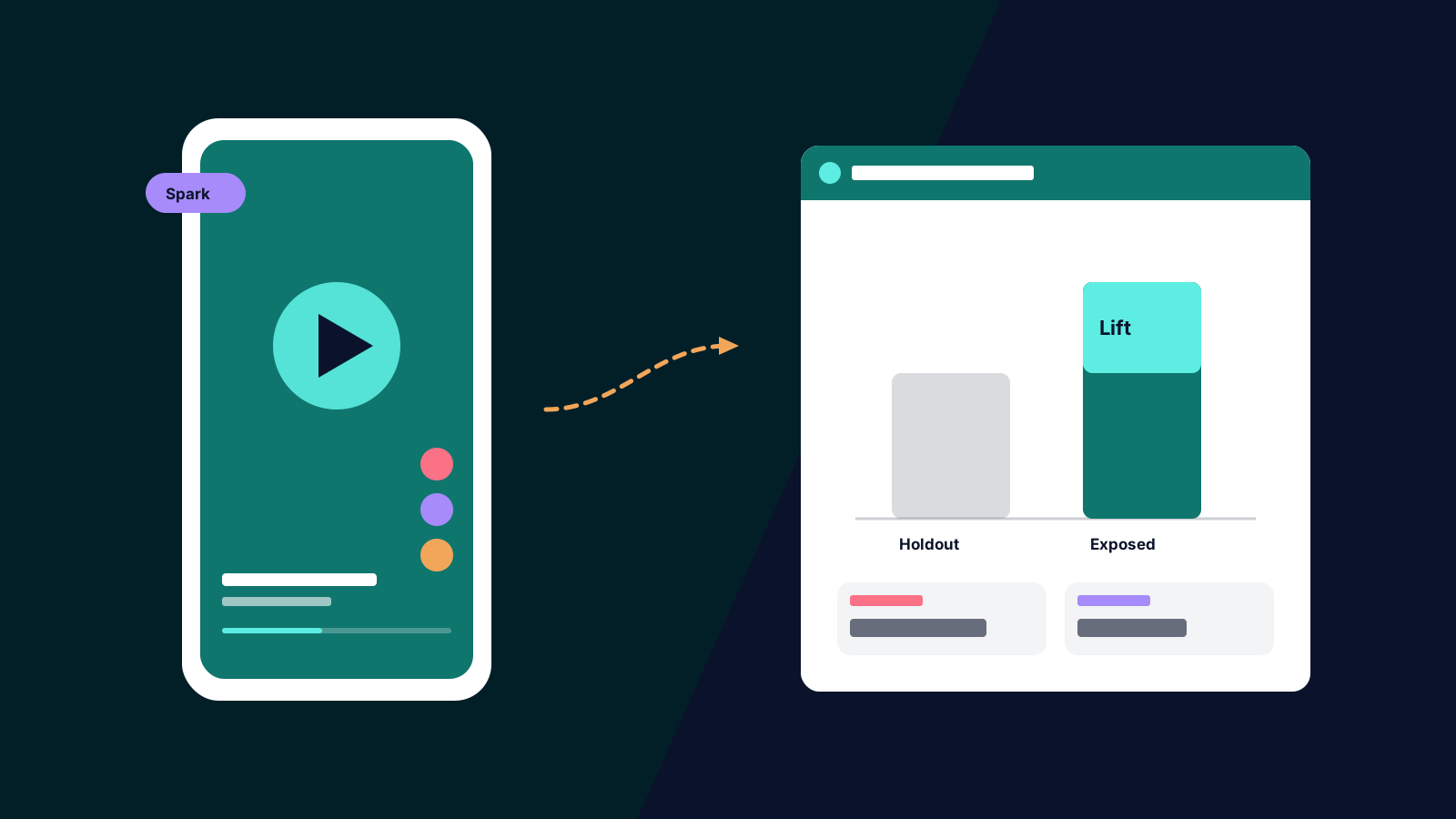
Spark Ads are the practical tool. They promote an organic post, from your own account or from a creator who has authorised it with a post code, and the engagement accrues to the original post rather than a disposable ad. A working programme blends brand-account posts, paid creator partnerships and lightly edited cuts of the best organic content. Brief creators on the problem and the proof, then leave delivery to them; over-scripted content performs like advertising.
Volume matters too. TikTok creative tires quickly, so the early-warning signals of fatigue (falling hook rate, rising frequency) arrive in days, not weeks. Budget for a steady flow of new concepts and run them through a structured creative testing framework, so you learn which hooks win rather than which ads happened to spend.
Measurement: Pixel, Events API and an Honest Lift Test
Install the TikTok Pixel, then add the Events API for server-side delivery, with a shared event ID so duplicates are removed. TikTok recommends running both, for the reasons we covered in Meta Conversions API: browser-only tracking loses signal, and the algorithm can only optimise toward conversions it can see.
Then treat reported results with care. TikTok's attribution settings can credit conversions to people who merely saw an ad, with view-through windows of up to seven days. When many people see your ad and later search your brand, view-through credit claims sales that would have happened regardless. That is why platform ROAS and GA4 disagree so sharply on TikTok, and why neither should be the decision metric.
The answer is an incrementality test. TikTok's managed Conversion Lift Study randomises users into exposed and holdout groups and reports cost per incremental conversion, subject to spend thresholds. Where budgets fall short, a geo holdout across Australian states or metro areas does the same job, using the method in our incrementality testing guide. Either way, set the success threshold before the test starts.
Choosing Campaign Types
For most Australian advertisers, a web conversion campaign optimised to a purchase or qualified lead event is the default. Smart+ campaigns automate targeting, bidding and creative selection, and they work well once the account has a clean conversion signal and a deep creative pool; fed thin data, they optimise toward whatever converts cheapest. One clarification we are often asked for: at the time of writing, TikTok Shop had not launched for Australian sellers, so Shop campaign types such as GMV Max are not yet an option for domestic commerce.
Run TikTok for at least a quarter with a lift test inside it and the decision makes itself: scale if cost per incremental conversion beats your other paid social, reposition it as brand reach if it does not. If you want a TikTok programme built with measurement in place from the start, our paid social team can scope it. Get in touch.